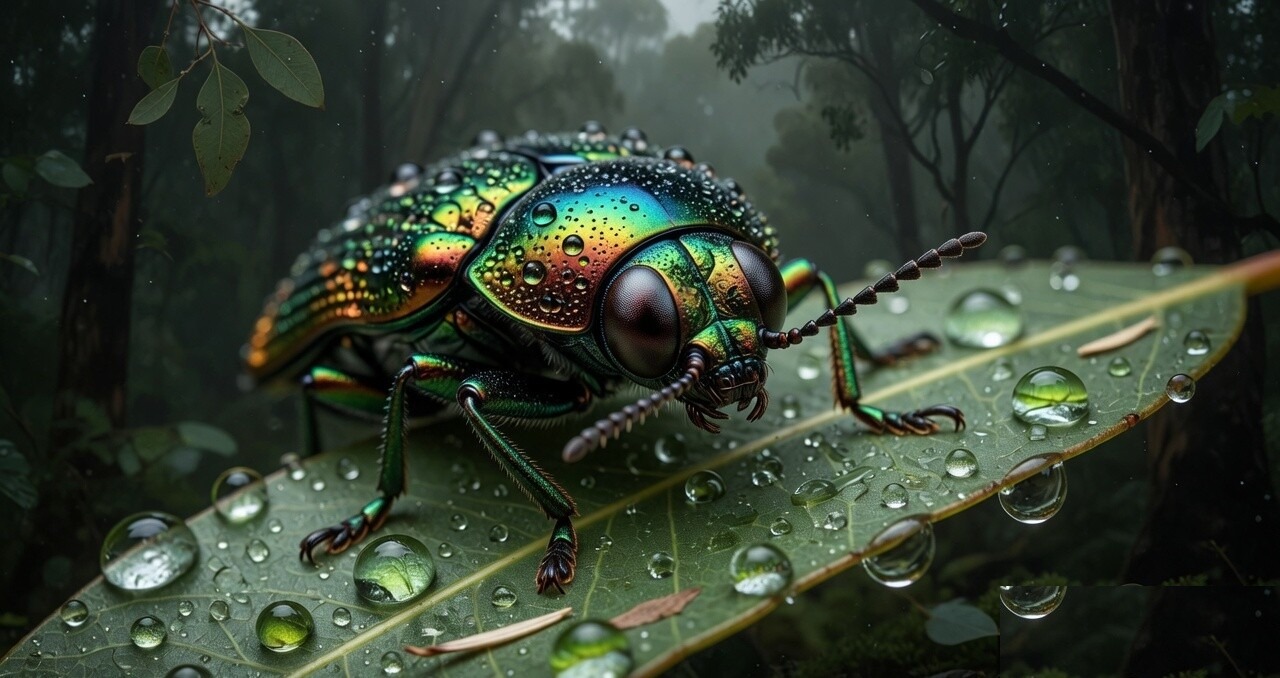
Jewel beetle covered in dew, extreme macro

Macro Photography

Camera · Phone · Insects

The world in a square of bark

Most people walk past a thousand animals before morning tea. This wander is about stopping, getting close, and learning how to photograph them — with a proper camera if you've got one, and with the phone already in your pocket if you haven't.

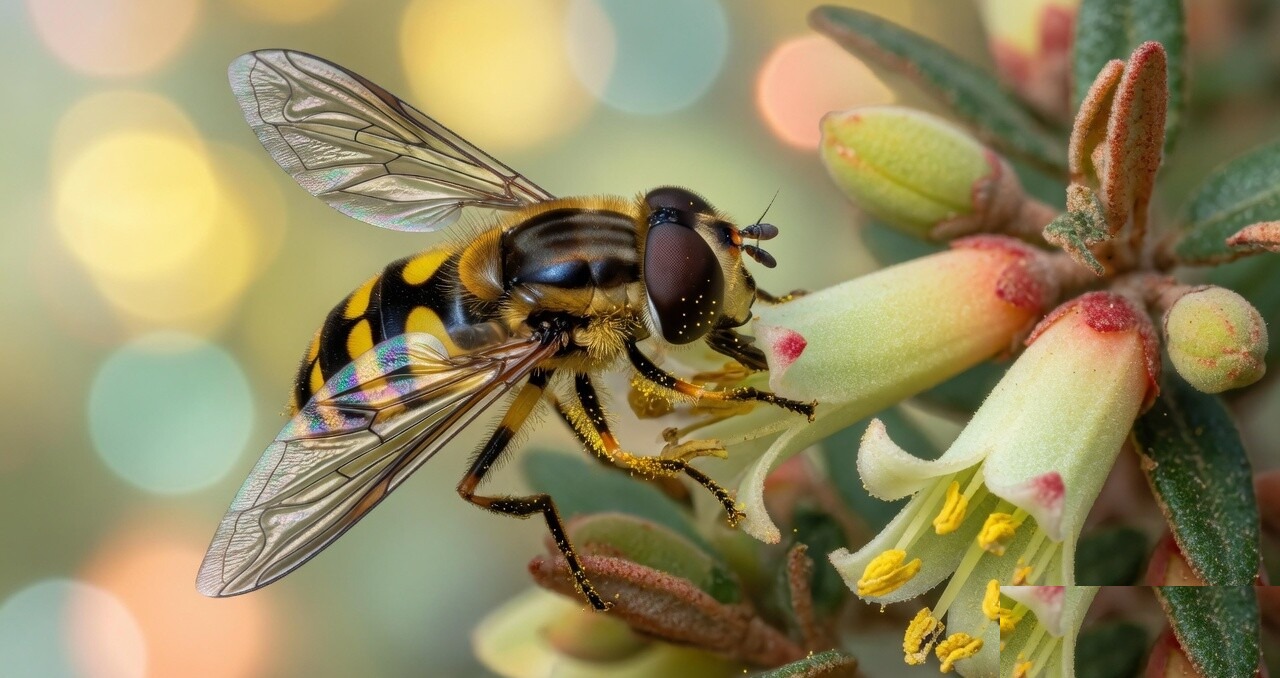
Tom will show you how to find the subject, how to light it, how to hold still, and what you're actually looking at. Compound eyes. Waxy tails. Pollen on a hoverfly's legs. Once you can shoot them, you start seeing them everywhere.
Duration2 hours
WhoAges 10 and up. Phones welcome. Cameras welcome.
WhereBilpin, gardens, reserves and private land
BringYour camera or your phone. Clip-on phone lenses if you have them. Tom brings the rest.
Book this wander
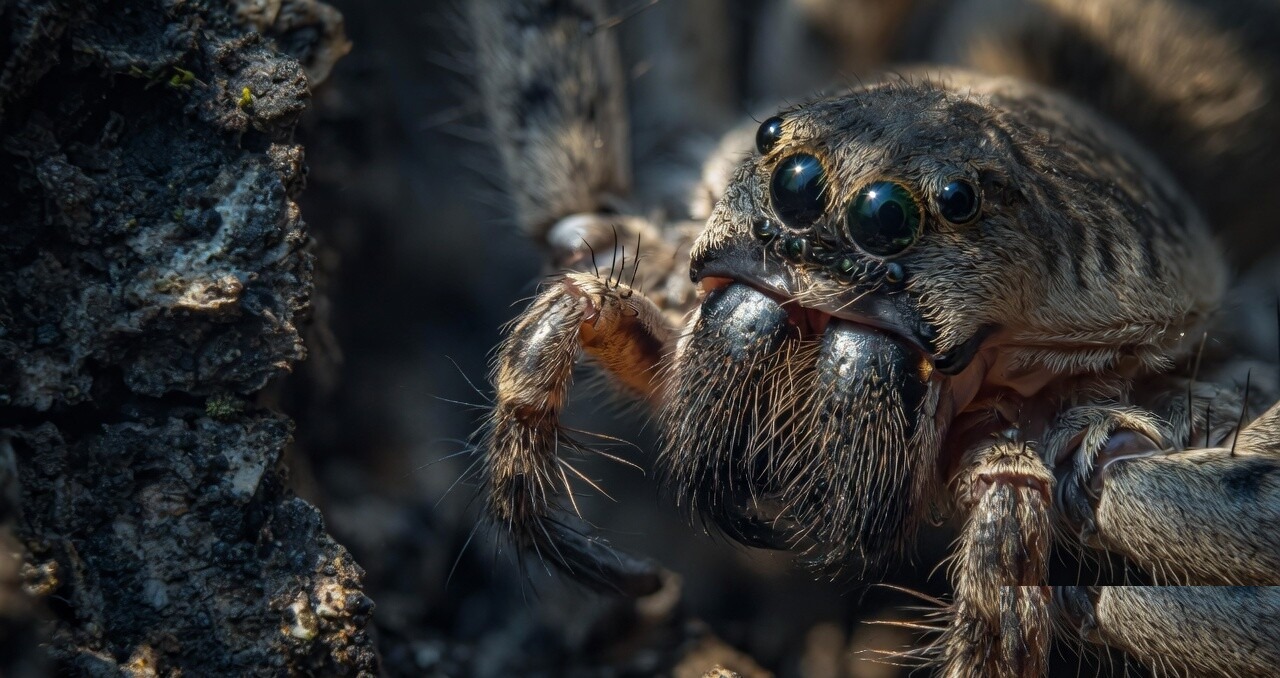
Extreme macro of a spider's face and eyes

What you'll learn

Camera, phone, and the tiny world
With a camera How to work a macro lens at 1:1. Aperture, flash, diffusion, and focus so the animal is sharp and the world behind it falls away. What to do when the wind won't sit still.
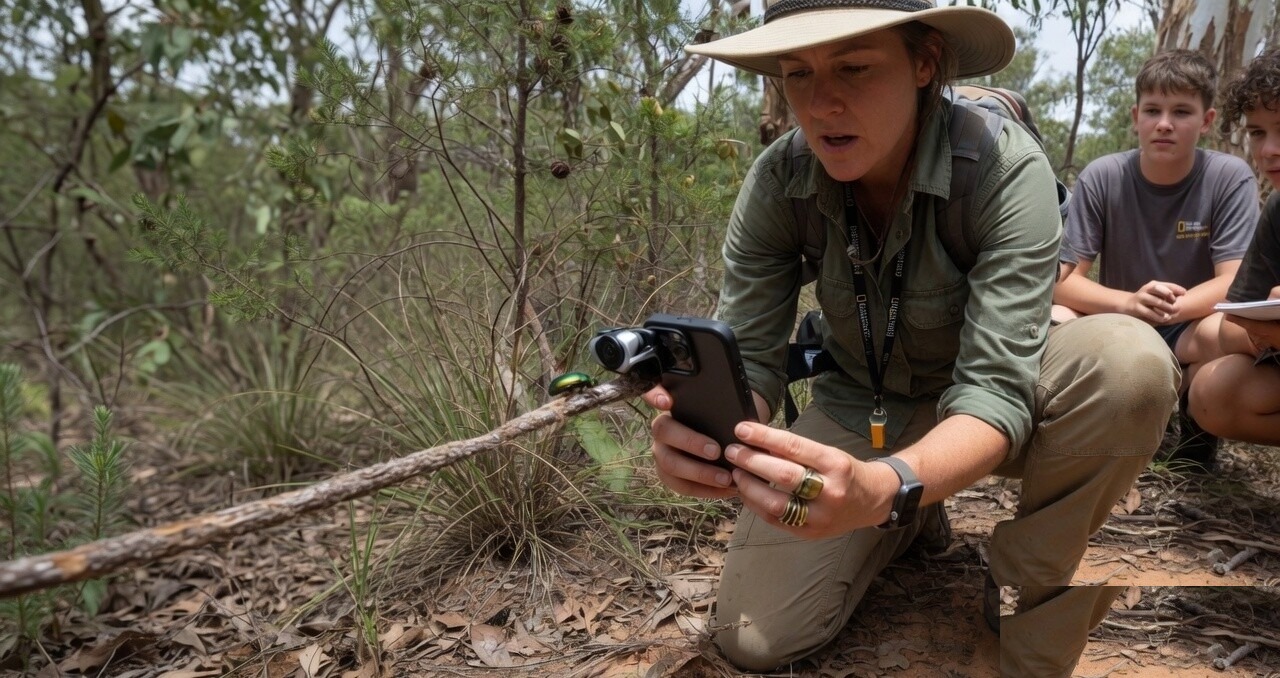
With a phone Clip-on lenses, lock-focus, burst, and using the light you've got. You don't need a bag of glass to make a photograph that stops someone. You need to get close and wait.
The insects What you're looking at, and why it lives there. Beetles, bugs, flies, spiders, planthoppers, fungi. Stories you can only tell once you've been eye-to-eye.
Field craft How to approach without wrecking the animal or the shot. Kneeling, lighting, patience. The same instinct Tom's been using since he was old enough to lift a log.
Photographing a beetle with a smartphone and clip-on macro lens

Phones

The best camera is the one you brought

If you've got a phone, you're already carrying a macro kit. Tom will walk you through getting a clip-on lens on, locking focus on a beetle the size of a grain, and using burst so one frame in twenty is the keeper. Then you go looking.

Cameras

Glass, flash, and getting low

If you shoot a DSLR or mirrorless, this is time on real subjects with someone who knows the animals. Macro lenses, flash, diffusers, and the unglamorous work of lying next to a log until the hoverfly lands again.

  • Finding and reading subjects in the field
  • Lighting metallic beetles, wet fungi, and hairy spiders
  • Focus stacking talk, if you want it — or just getting one sharp frame
  • Leaving the animal where you found it
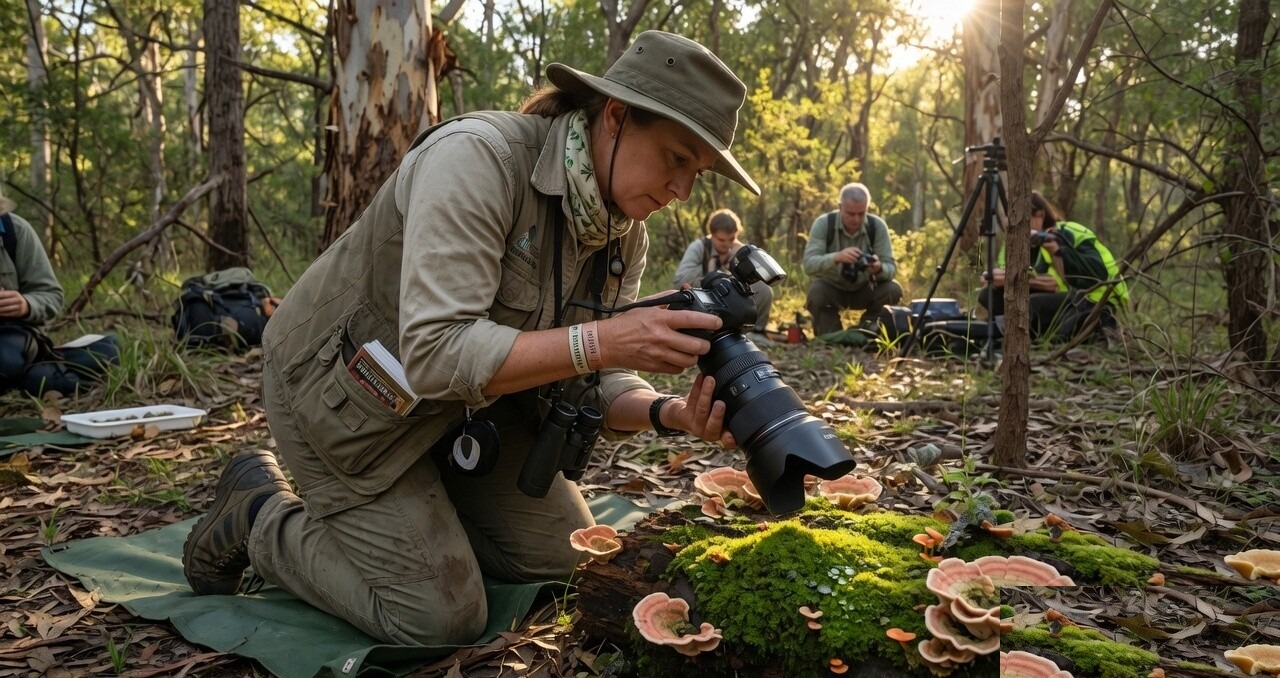
Photographer using a macro lens on moss and fungi

The tiny world

What you'll be shooting

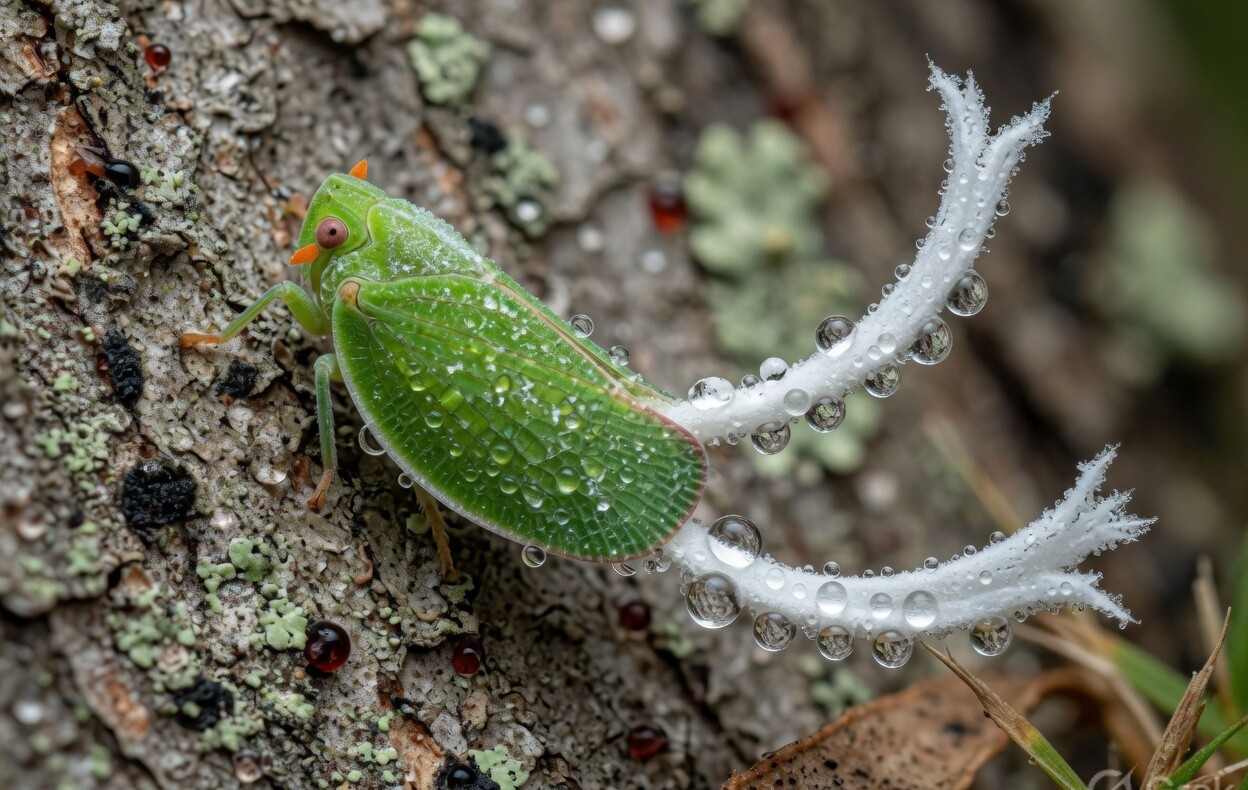
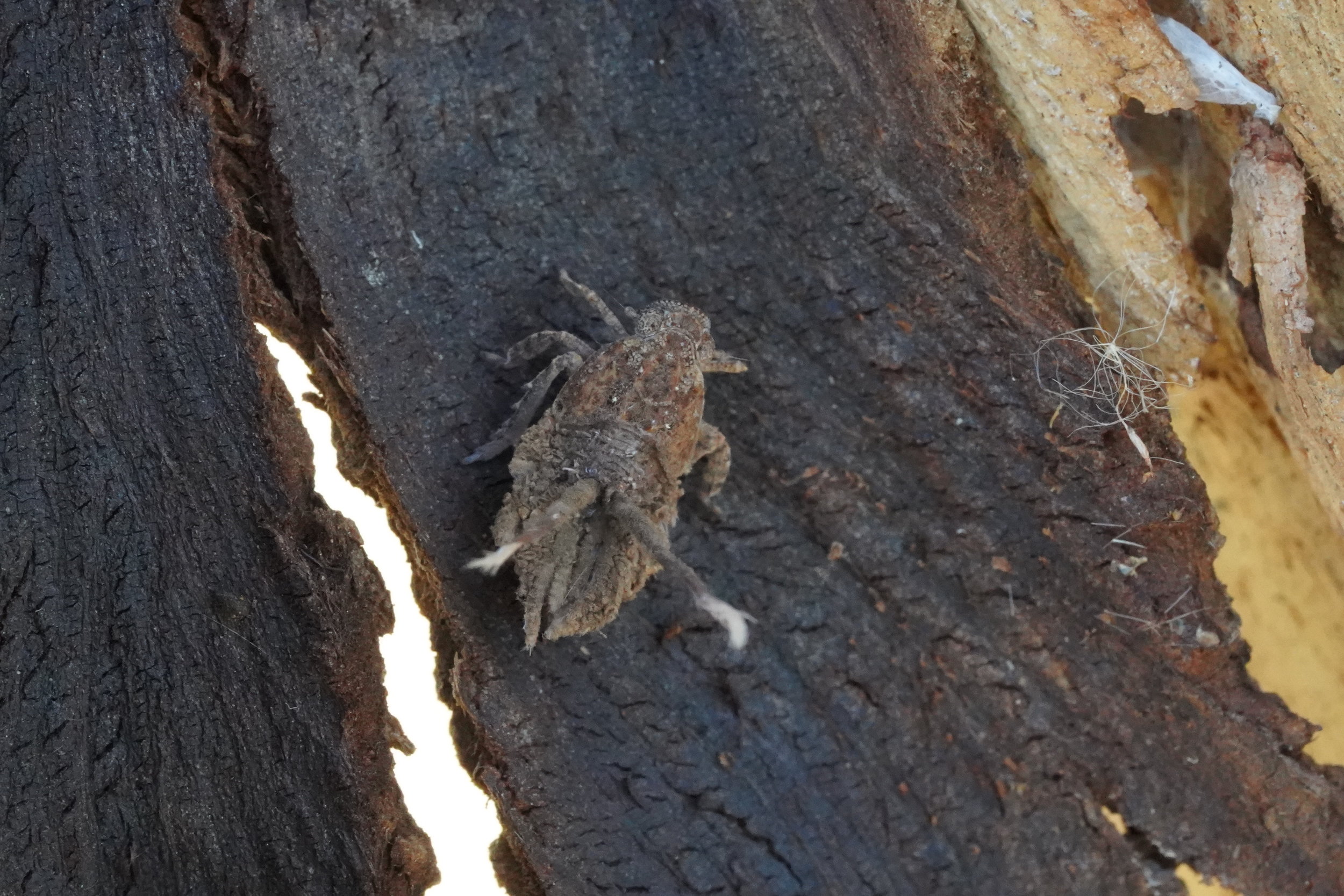
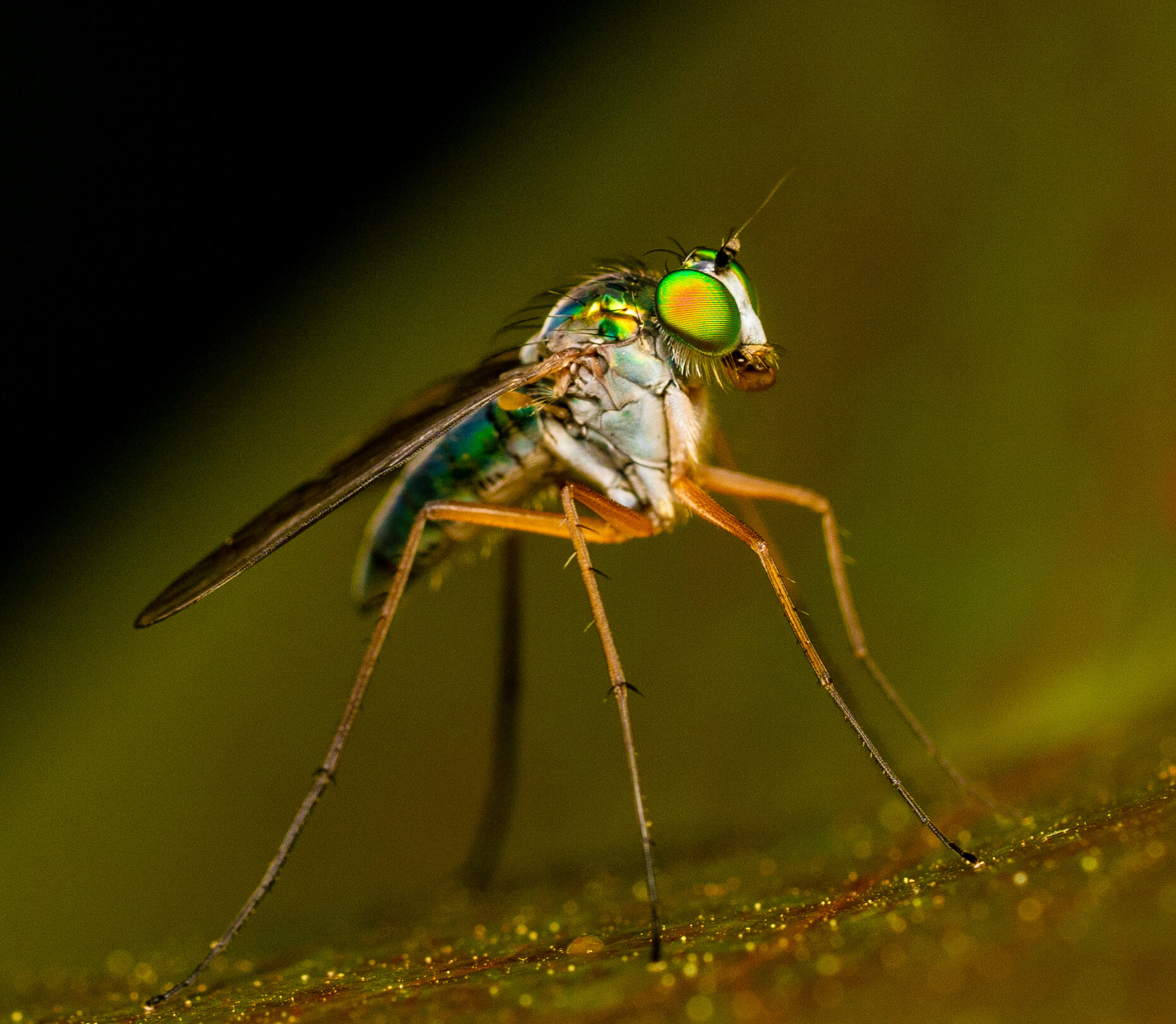
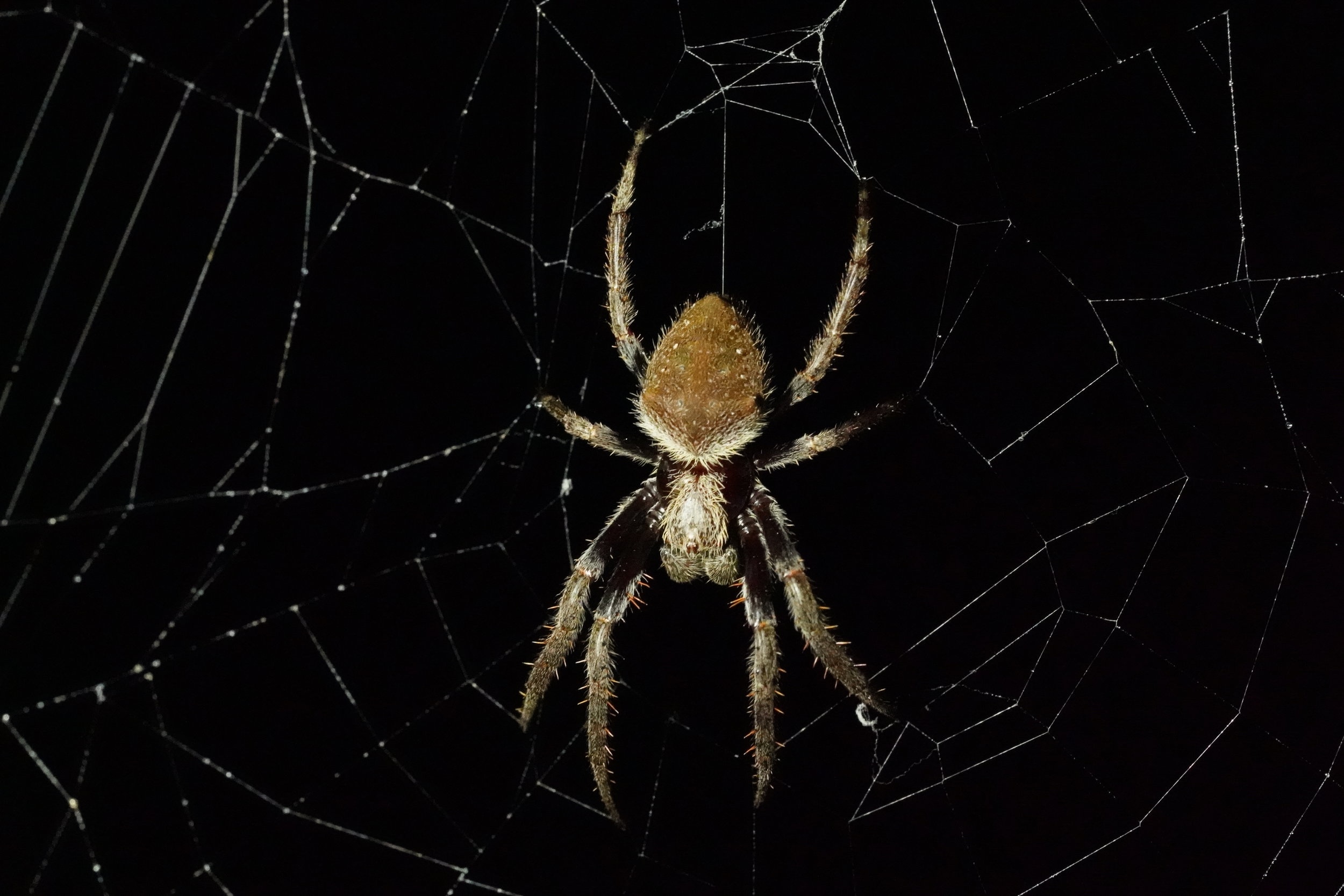
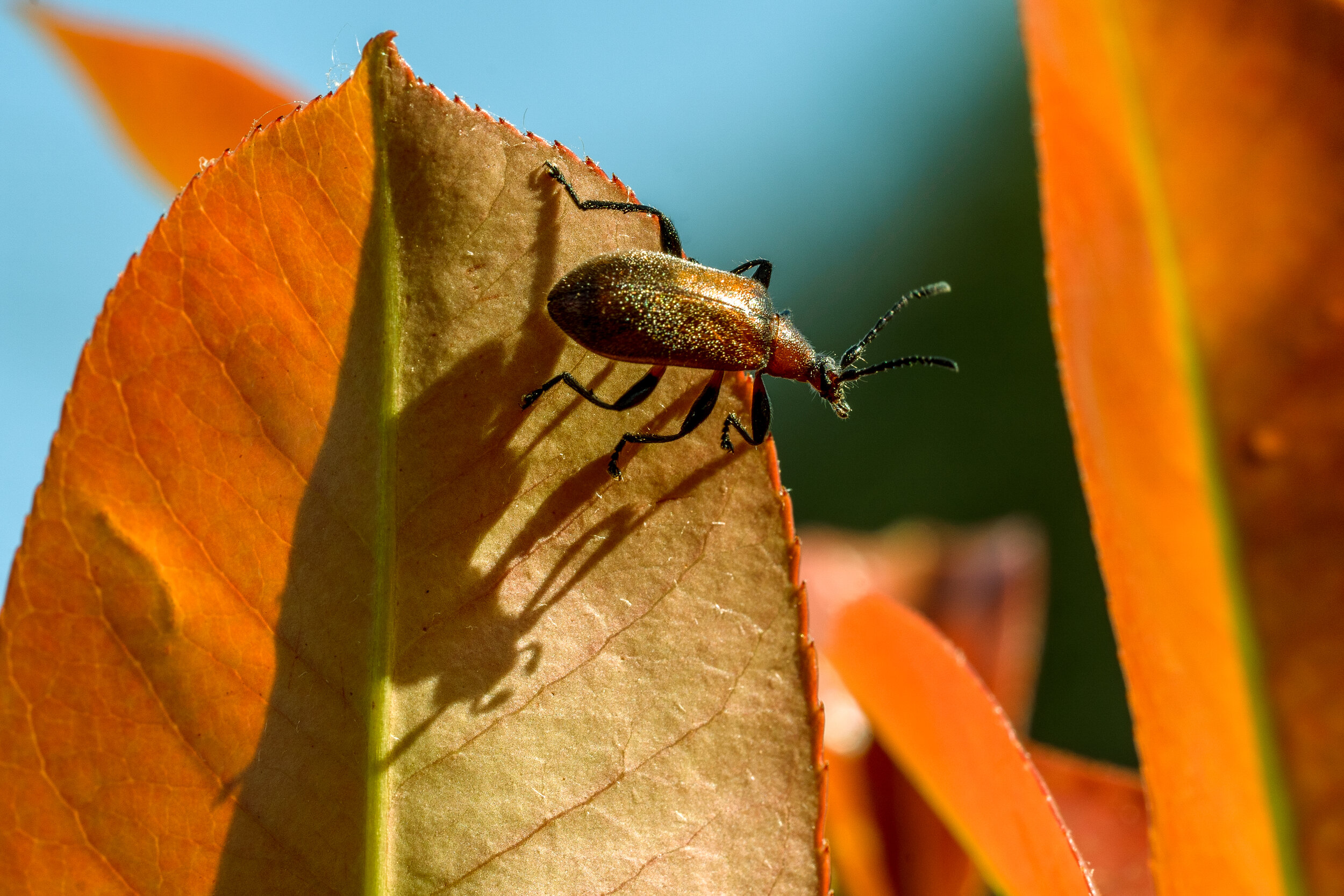
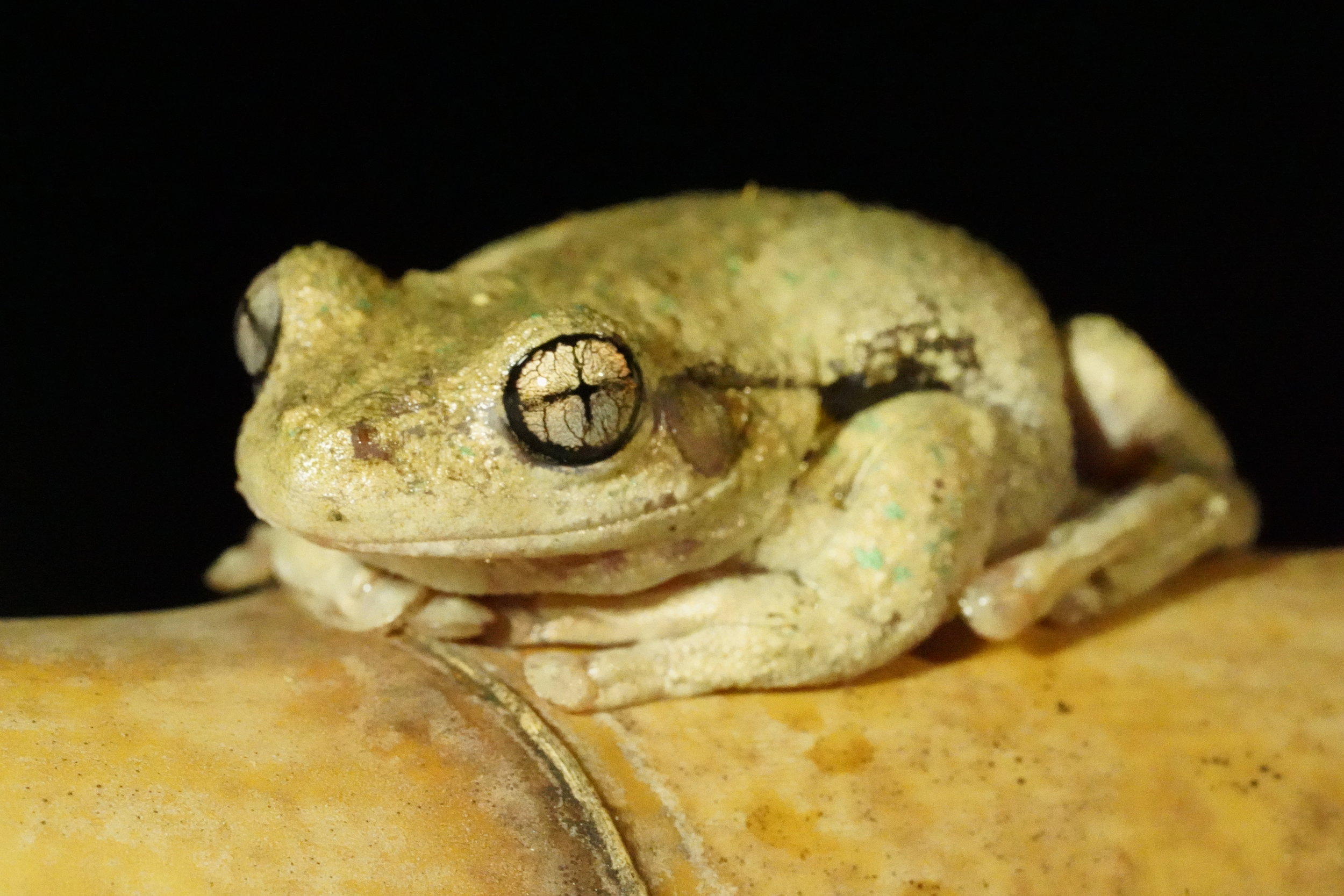
Hoverfly on a native flower Planthopper on bark Planthopper close Long-legged flies Garden orb weaver Bark beetle Frog close up Spider face, extreme macro

Book a macro wander